

Breaking

Nepal urges shared climate action from mountains to sea at UN event

Foreign Minister Shisir Khanal told a United Nations Headquarters event that Nepal has lost close to one-third of its ice in three decades.

WeNepal NewsroomAuto-published, routine

2 min read

Auto-published · routine
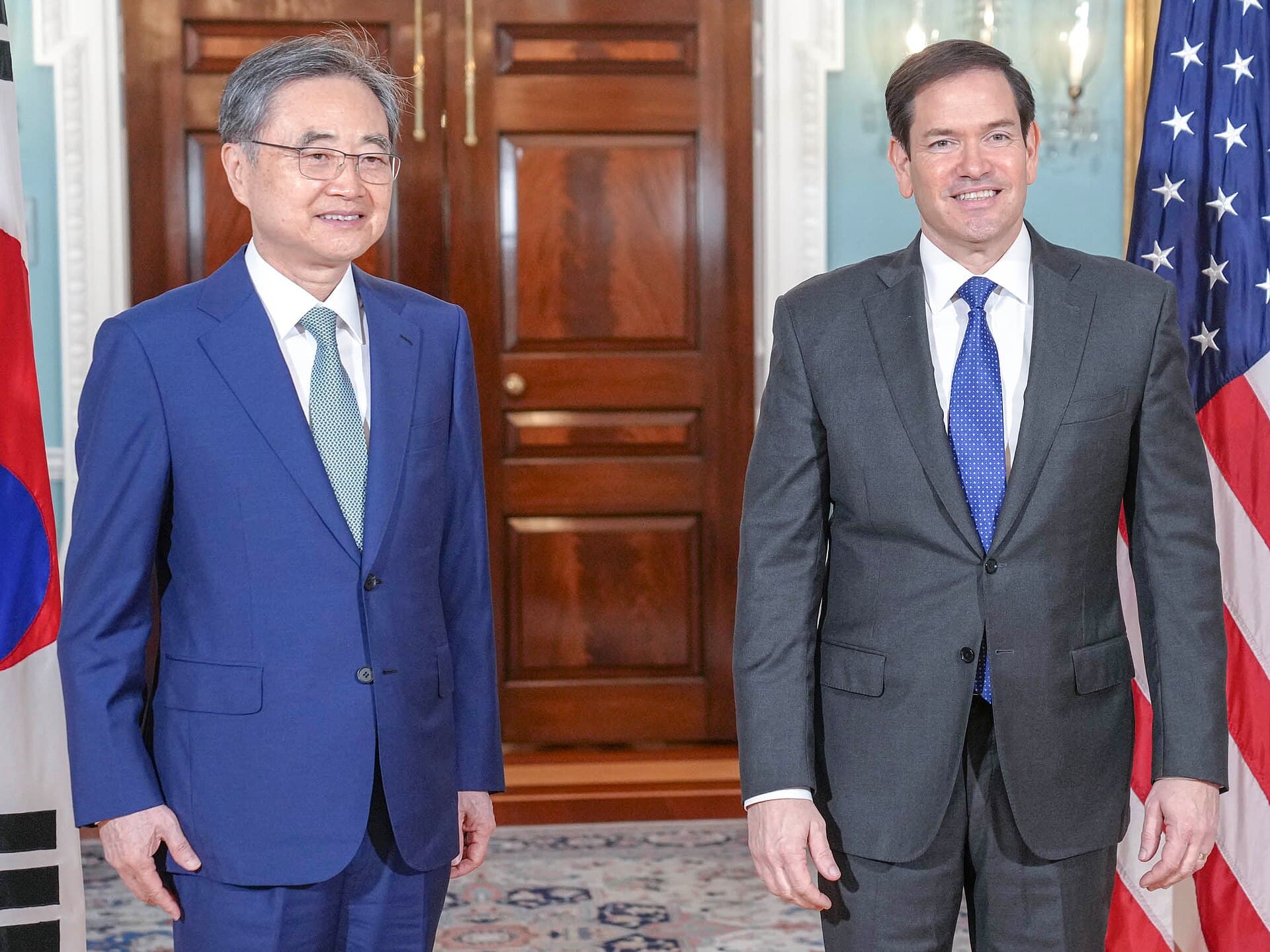
Secretary Marco Rubio meets with Republic of Korea Foreign Minister Cho Hyun at the Department of State in Washington, D.C., July 31, 2025. (Official State Department photo by Freddie Everett)
Secretary Marco Rubio meets with Republic of Korea Foreign Minister Cho Hyun at the Department of State in Washington, D.C., July 31, 2025. (Official State Department photo by Freddie Everett)Photo: U.S. Department of State / Wikimedia Commons · Public domain

In short

  • Event: Sagarmatha to the Sea, held at the United Nations Headquarters on 26 September 2026
  • Khanal: the Himalayan region holds more than 63,700 glaciers; nearly a third of Nepal's ice lost in three decades
  • He called for an accessible loss and damage fund and emissions cuts to keep warming within 1.5 degrees Celsius

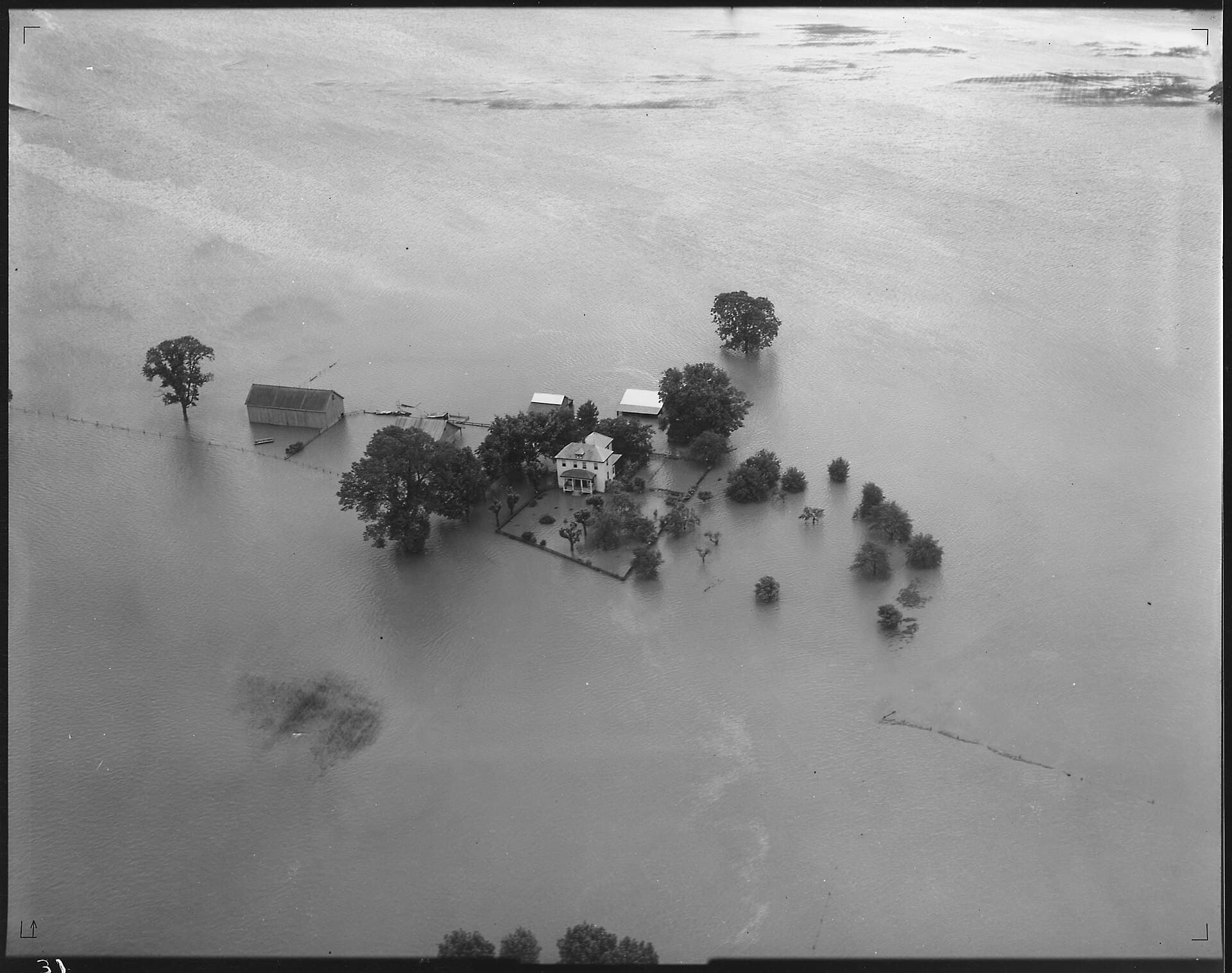
Foreign Minister Shisir Khanal used a special event at the United Nations Headquarters on 26 September 2026 to press for coordinated international action on climate risk. The event, titled "Sagarmatha to the Sea: A Call to Action for a Climate-Resilient Future", heard him argue that mountains, rivers, seas and coastal areas belong to a single ecological system because the climate does not respect political borders. Khanal pointed to the disaster in the Langtang area on 26 August, when a large mass of rock and glacier gave way and caused heavy damage to people, property and infrastructure. According to his personal secretariat, he described that event as a "Himalayan Tsunami" and said debate on climate-related disasters can no longer be avoided. The minister said Everest and the wider Himalayan region, described as the third pole, hold the largest store of ice and snow found anywhere outside the polar regions, with more than 63,700 glaciers. Nearly a third of Nepal's ice has disappeared over the past three decades, he said, which is altering the flow of rivers and putting downstream livelihoods at risk, while island and coastal states face rising seas, erosion and displacement. He recalled that in 2023, from the foot of the Himalayas, Secretary-General Antonio Guterres had called the glaciers "icy reservoirs". Khanal asked governments to build the link between mountains, freshwater and oceans into science, policy and investment, to give mountains more weight in climate processes, and to speed up emissions cuts so that warming stays within 1.5 degrees Celsius. On finance, Khanal said developing countries need climate funding, technology and capacity support that is adequate, predictable and easy to reach, and that the fund for loss and damage should be effective and well resourced. He said climate justice becomes tangible when the support a country receives reflects its responsibility, capacity and risk. Nepal, he added, has forest cover on around 46 percent of its land and is expanding hydropower and electric vehicles.

Auto-published · routine. This summary was drafted with AI from the sources listed and published after passing our automatic checks for routine stories. An editor reviews a daily sample. How we use AI

https://wenepal.com/article/nepal-urges-shared-climate-action-from-mountains-to-sea-at-un-event-20260926

Your reaction

Comments

Comments are not open yet. We are building moderation first so the conversation stays safe. Use the contact form to reach the newsroom.

Contact
Related stories

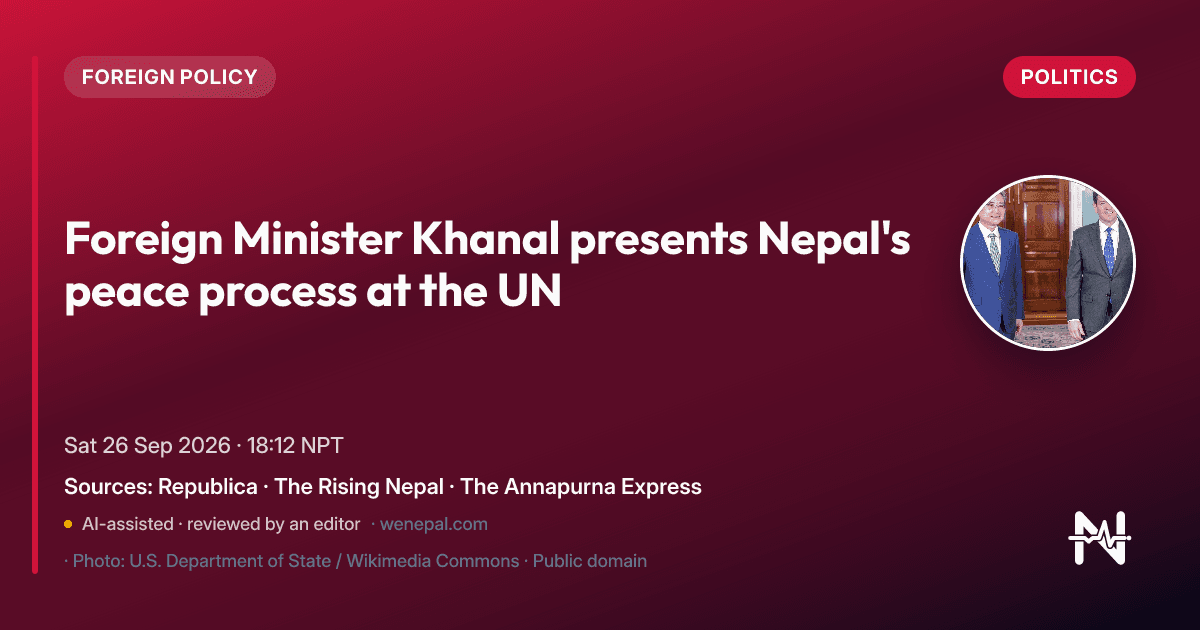
Foreign Minister Khanal presents Nepal's peace process at the UN

Minister for Foreign Affairs Shisir Khanal told a ministerial-level meeting of the United Nations Peace-Building Commission (PBC) in New York on Thursday that lasting peace needs national ownership, state institutions that include everyone and governance that is accountable. Held during the 81st session of the UNGA, the meeting heard Khanal cite Nepal's 2006 Comprehensive Peace Accord as an example of a homegrown process. He said democratic institutions showed flexibility during the Gen Z movement of 8 September 2025, and that power passed to an elected government within six months. Sources: Republica, The Rising Nepal, The Annapurna Express · AI-assisted summary by WeNepal

Foreign Minister Khanal sets out Nepal's pandemic priorities at the UN

Foreign Minister Shisir Khanal has said multilateralism, equity and solidarity should sit at the centre of global work to prevent, prepare for and respond to pandemics and public health emergencies. Addressing a high-level meeting on Pandemic Prevention, Preparedness and Response during the 81st UN General Assembly, he said the world should stop waiting for crises before acting, according to his secretariat. He welcomed the WHO Pandemic Agreement and the revised international health regulations, and set out five priorities from Nepal. In New York, Khanal also met representatives of the Nepali diaspora. Sources: Khabarhub, OnlineKhabar, Reporters Nepal · AI-assisted summary by WeNepal

Nepal establishes diplomatic relations with Senegal

Nepal and Senegal now have diplomatic relations with each other. Foreign Minister Shisir Khanal, who is in New York for the 81st session of the United Nations General Assembly, and Senegalese Foreign Minister Cheikh Niang signed a joint statement to that effect, the Foreign Minister's private secretariat said. Reports differ on the day of signing: Khabarhub English gives Thursday, while Ratopati English, published on 26 September 2026, says it happened that day. The two ministers met before the signing and discussed matters of mutual interest. With Senegal added, the number of countries with which Nepal has diplomatic relations rises to 188. Sources: Ratopati English, Khabarhub English · AI-assisted summary by WeNepal

PM Balendra Shah proposes Himalayan climate mechanism at the UN

Speaking at the 81st session of the United Nations General Assembly in New York on 24 September 2026, Prime Minister Balendra Shah said the Bhotekoshi-Trishuli disaster was a warning to the world, according to the text released by the Ministry of Foreign Affairs. He proposed a Himalayan Climate Resilience Mechanism led by Nepal, India and China to share satellite data, watch glacial lakes and strengthen early warning. Shah said the cost of physical recovery, by rapid assessment, is about 10 percent of GDP. He called for grant-based climate finance rather than new loans, and argued for a fairer global economic order. Sources: Ministry of Foreign Affairs · AI-assisted summary by WeNepal

Nepal, in minutes — in your inbox

The Pulse every morning. No spam, unsubscribe any time.