
Latest

Gandaki Province

Latest from Parbat

The latest WeNepal stories that mention Parbat district, Gandaki Province.

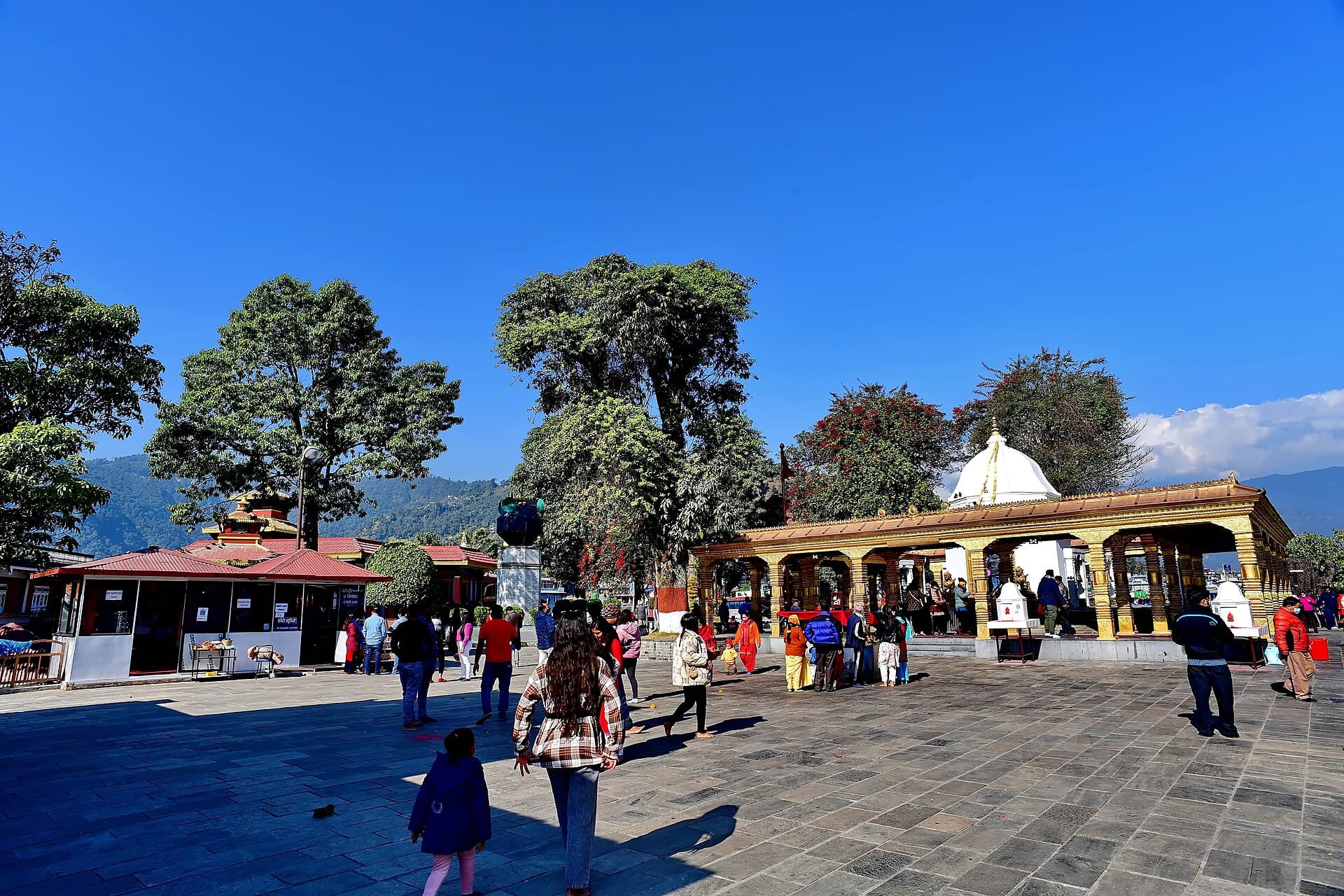
  • Photo: Rajesh Dhungana / Wikimedia Commons, CC BY-SA 4.0

    Flood-affected children in Parbat struggle without school books

    Students in Jaljala Rural Municipality-7, Parbat, are facing severe difficulties after floods washed away their school books, notebooks, and uniforms. Despite visits from over a dozen relief distribution groups, local residents and educators report that none have provided essential educational supplies. With exams approaching, children are unable to find replacement books in local markets, leaving teachers and parents highly concerned about how to continue the academic year. From public sources and the WeNepal research team


  • Power and internet services disrupted in Mustang for 36 hours

    Electricity and internet connections in Mustang stopped working for a day and a half following heavy downpours that caused floods and landslides. Power lines originating in Parbat suffered damage from river erosion and falling trees, forcing a local substation to shut down. Officials stated that optical-fiber networks also broke down across multiple locations, though some areas maintained mobile communications through alternative radio links. Repair crews have been dispatched to inspect the affected electricity lines and substations. From public sources and the WeNepal research team

  • Panchase in Kaski records 189 mm, Nepal's highest rainfall in 24 hours

    The Panchase area of Kaski received 189 mm of rain in the 24 hours to 26 September 2026, the most anywhere in Nepal. Archale in Palpa recorded 172 mm, Bharse in Gulmi 170.8 mm, and Kuhun and Darbang in Myagdi 165.2 mm and 161 mm. Rivers and streams in Banke, Myagdi, Parbat, Lamjung, Chitwan and Bhojpur are approaching alert level, and the Kiran Nala in Banke and Mangalghat in Myagdi have already crossed it. The department says monsoon and westerly winds are both partly influencing the country's weather. From public sources and the WeNepal research team